

Key Takeaways
- Roof decking is the structural surface beneath shingles and underlayment.
- Moisture damage, rot, cracks, warping, and deterioration can require damaged decking to be replaced.
- Decking problems are often hidden until roofing materials are removed or the underside is inspected from the attic.
- A soft or sagging roof area should be evaluated by a professional rather than walked on by a homeowner.
- A good estimate should explain what decking replacement is included and how additional hidden damage will be handled.
What Is Roof Decking?
Roof decking, also called roof sheathing, is the structural layer installed over the rafters or trusses. Roofing underlayment, leak barriers, shingles, and other roofing components are installed above it. GAF’s 2026 guide to roof decking describes it as the load-bearing portion of the roof system and notes that residential decking commonly includes plywood or oriented strand board (OSB).
Because the decking is covered by roofing materials, homeowners usually cannot see it from outside. In some homes, portions of the underside may be visible from the attic. Even then, the full condition may not be known until shingles and underlayment are removed during a repair or roof replacement.
Why Damaged Roof Decking Matters
The roof deck is not just a backing board. It supports the roofing system and provides a secure surface for fasteners. If the decking is weakened, swollen, warped, cracked, or deteriorated, the materials above it may not have the stable base they need.
GAF notes that roof decking may need replacement when it has moisture damage, rot, holes, cracks, shrinkage, warping, or other inconsistencies. Those conditions can result from long-term leaks, storm damage, condensation or attic moisture, aging materials, or previous roofing problems that were not fully corrected.
A damaged deck can also make a leak harder to solve if only the surface materials are repaired. The goal of a lasting repair is to correct the water-entry problem and replace any structural roofing materials that can no longer perform properly.
7 Signs Your Roof Decking May Be Damaged
1. Water stains in the attic or on ceilings
A recurring stain is often the first sign that moisture has moved through the roofing system. The stain does not tell you exactly which component failed, but repeated wetting can affect wood decking over time. Photograph the stain and note whether it appears after rain, snowmelt, or a specific weather pattern.
2. Darkened or discolored wood in the attic
If the underside of the roof deck is visible from a safe attic area, dark staining may indicate previous or current moisture exposure. Discoloration alone does not confirm rot, so a professional should determine whether the wood is structurally affected and where the moisture originated.
3. Sagging or uneven roof areas
A visible dip or uneven roof plane can have several causes, including structural framing issues, installation irregularities, or damaged decking. Do not walk on a soft-looking or sagging area to test it. Have the condition inspected from a safe location.
4. Repeated leaks in the same location
If a roof has been patched more than once but the leak returns, ask whether the decking and underlayment beneath the repair were evaluated. A surface repair cannot restore deteriorated wood underneath it.
5. Shingles that appear uneven or wavy
Shingles can look uneven for multiple reasons, including installation, aging, ventilation, or the condition of the surface beneath them. If the waviness is localized near a known leak, damaged decking may be one possibility worth investigating.
6. Evidence of a long-term roof leak
Leaks around chimneys, valleys, vents, skylights, or roof edges can affect more than the visible roofing. If water has entered repeatedly, ask whether the contractor expects to inspect the decking once the affected shingles are removed. Our guides to roof flashing repair and roof valley repair explain two common areas where leaks may begin.
7. Decking damage discovered during roof removal
Some decking problems are only visible after old roofing is removed. This is why roof replacement proposals should explain how damaged decking will be identified, documented, priced, and approved if additional sections need replacement.
What Causes Roof Decking to Rot or Deteriorate?
Wood decking performs well when it stays dry and is protected by a properly functioning roofing system. Problems develop when moisture reaches the deck and remains there long enough to damage the material.
- Roof leaks: Damaged shingles, flashing, valleys, penetrations, or roof edges can allow water to reach the deck.
- Ice-dam-related water backup: Winter meltwater can move beneath roofing materials when drainage is blocked by ice. See our ice dam prevention guide for more information.
- Attic moisture: Warm, moisture-laden indoor air entering an attic can contribute to condensation under certain conditions. Insulation, air sealing, and ventilation may all need to be considered.
- Storm damage: Wind, hail, falling branches, or other impacts can damage the roofing system and expose the deck to moisture.
- Old or failed roofing materials: Long-term deterioration above the deck can eventually allow water to reach the structural layer.
The cause matters because replacing damaged plywood without stopping the source of moisture can lead to the same problem again.
Can Roof Decking Be Repaired Without Replacing the Whole Roof?
Sometimes. If damage is localized and the surrounding roofing is in good condition, a contractor may be able to remove the affected roofing, replace damaged decking, install appropriate underlayment or leak protection, and restore the roofing above it.
If the damage is widespread, the roof is near the end of its service life, or multiple areas are failing, a larger repair or roof replacement may make more sense. The decision should be based on the actual roof condition rather than a general rule.
Liberty Roofing Utah’s roof repair vs. roof replacement guide provides additional questions to consider when comparing those options.
What Happens During Roof Decking Repair?
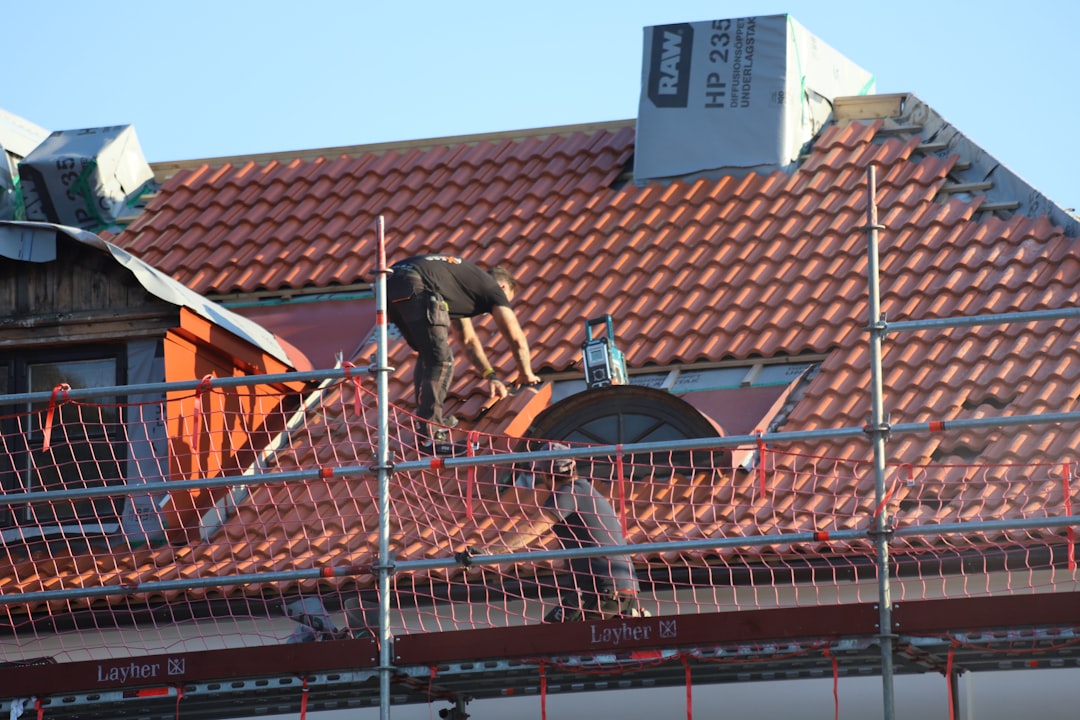
A typical repair begins by removing enough roofing material to expose the suspected damaged area. Once the decking is visible, the contractor can evaluate how far the deterioration extends and whether nearby sections remain structurally sound.
Damaged sheathing is removed and replaced with material appropriate for the roof assembly. The roofing system is then rebuilt above it, including the required underlayment, leak barriers, shingles, flashing, or other components for that location.
GAF’s overview of roofing system components shows how the roof deck sits beneath underlayment, leak barriers, shingles, and related accessories. A decking repair therefore needs to restore both the structural base and the protective layers above it.
Why Decking Damage Is Often a Hidden-Cost Question
When a roofer prepares an estimate, the visible roof surface may not reveal every damaged sheet of decking underneath. That does not mean the scope should be vague. The proposal should explain how decking replacement will be handled if hidden damage is found.
Ask whether the estimate includes a certain amount of decking replacement, whether additional sheets are priced separately, and how you will be notified before extra work proceeds. Request photos of unexpected damage so you can see what was discovered.
This is especially important during a full roof replacement. A clear decking allowance or unit price helps avoid confusion once the old shingles are removed and the roof is temporarily open.
Can You Check for Soft Spots Yourself?
Do not walk around on the roof looking for soft spots. If decking is actually weakened, stepping on it can be dangerous. Snow, moisture, steep slopes, and loose roofing materials add additional fall hazards.
You can still gather useful information safely. Look for visible roof dips from the ground, photograph interior stains, and inspect accessible attic areas without stepping on insulation or unsafe framing. If you see moisture, sagging, or damaged wood, contact a qualified roofing professional for a closer evaluation.
Why Fall Is a Good Time to Address Roof Decking Problems
If you already know your roof has leaked, September and early fall offer a useful window to investigate the damage before snow covers the roof. Wet or deteriorated decking does not improve simply because colder weather arrives.
Winter snow also adds weight to the roofing system, and freeze-thaw conditions can expose existing water-management problems. GAF notes that roof decking is designed to support the roof system and additional loads such as snow, which makes the condition of that structural layer important before winter.
If the roof is otherwise due for seasonal attention, our Utah fall roof inspection guide covers other warning signs homeowners can review before colder weather.
Questions to Ask Before Approving Decking Repair
- What evidence suggests the decking is damaged? Ask whether the concern is visible from the attic, roof surface, or after removing roofing materials.
- What caused the damage? The repair should address the moisture source, not just the deteriorated wood.
- How much decking is included in the estimate? Clarify allowances, per-sheet pricing, or other unit costs.
- How will hidden damage be documented? Ask for photos before additional replacement work proceeds.
- What material will be used for replacement? The contractor should select material appropriate for the existing roof system and structural requirements.
- What roofing layers will be restored above the new decking? Confirm that underlayment, leak protection, shingles, and flashing are included where necessary.
- What warranty applies? Request written terms for both the repair and any new roofing materials.
Frequently Asked Questions
Is roof decking the same thing as plywood?
Not always. Plywood is a common roof decking material, but OSB, wood planks, metal, and other materials may also be used depending on the building and roofing system.
Can damaged roof decking cause shingles to fail?
Decking provides the structural surface that supports roofing materials and fasteners. If it is deteriorated, warped, or unable to hold fasteners properly, the roofing system above it may not perform as intended.
Does a ceiling stain mean the roof decking is rotten?
No. A ceiling stain indicates that moisture has entered somewhere, but the extent of any decking damage requires inspection. A recent leak may not have caused structural deterioration, while a long-term leak may have affected a larger area.
Can roof decking be replaced from inside the attic?
Roof decking is generally part of the exterior roofing assembly and repairs typically require removing roofing materials from above to access and restore the affected area correctly.
Should all roof decking be replaced during a new roof installation?
Not automatically. Sound decking may remain in place, while damaged or unsuitable sections may need replacement. The contractor should evaluate the existing deck and explain what the project requires.
How much does roof decking repair in Utah cost?
Cost depends on the amount of damaged decking, access, roofing material, location of the repair, and whether additional roofing components must be removed and replaced. A written inspection-based estimate is more useful than a general price range.
Concerned About Soft Spots, Water Damage, or a Recurring Roof Leak?
Liberty Roofing Utah can inspect the affected area, identify visible roofing and decking problems, and provide a clear repair recommendation. We serve Provo, Orem, Lehi, American Fork, Spanish Fork, Sandy, and surrounding Utah communities.